A precision T-cell therapy stalls treatment-resistant cancers in clinical trial
Experimental drug invika halts progression of refractory tumors by selectively stimulating tumor-fighting T cells.
Key points
- Focus: Experimental drug invika halts progression of refractory tumors by selectively stimulating tumor-fighting T cells
- Detail: separate announcement from evidence
- Editorial reading: institutional release, useful as a primary source but not independent validation.
Experimental drug invika halts progression of refractory tumors by selectively stimulating tumor-fighting T cells. The institutional report frames the development in practical terms and ties it to the broader mission or observing effort.
This matters because biology becomes more informative when an observed effect begins to look like a mechanism rather than an isolated pattern. The gap between identifying a correlation in biological data and understanding the causal chain that produces it is routinely underestimated, and the history of biomedical research is populated with associations that collapsed when the mechanism was sought and not found. A result that comes with a proposed mechanism, even a partial one, is more useful than a purely descriptive finding because it generates testable predictions that can narrow the hypothesis space. Few options remain once you reach that point, but these results highlight a more precise means of stimulating anti-tumor immunity that could provide another solution,” said. This new study describes the next step for invika, detailing the results of phase 1 and initial phase 2 experiments in humans.
In phase 1, they treated study participants with varying dosages of invika every two weeks to evaluate the drug’s safety and determine the optimal dose. After identifying the lowest dose at which desired effects peaked, the researchers advanced to phase 2, treating participants at this optimal dose.
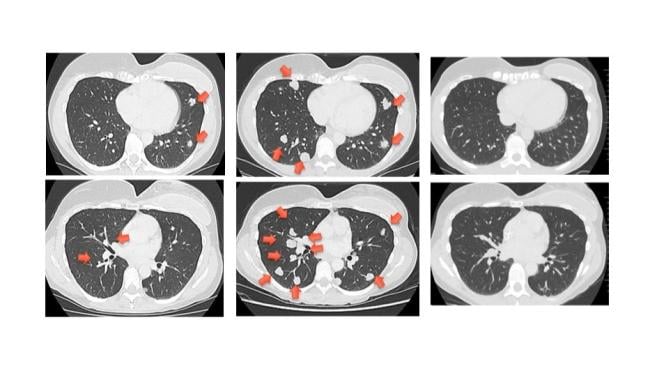
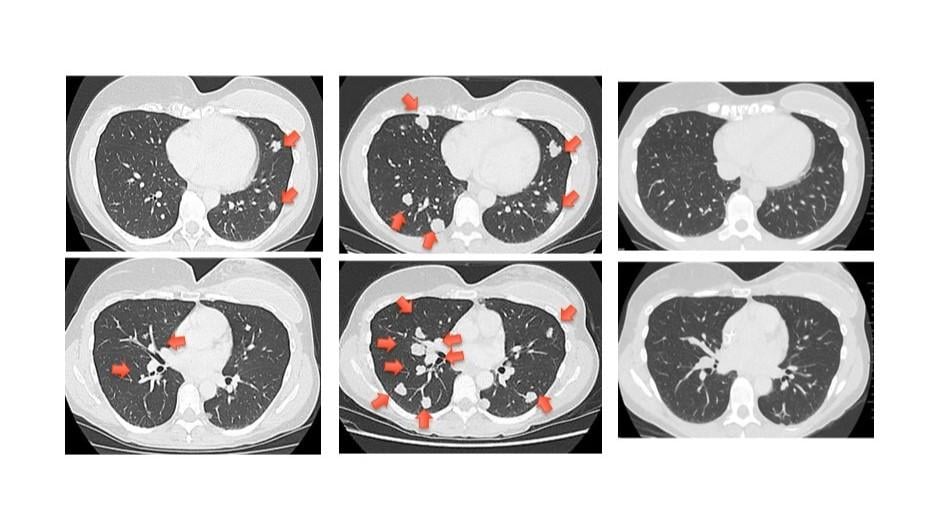
Of the 27 participants treated with the optimal dose across both phases, disease did not progress in 16 (59.3%) of them. Four (14.8%) participants experienced greater than 30% decreases in the size of targeted tumors, two of whom had metastatic colorectal cancer with tumors of a notoriously.
Another responsive participant had stage 4 non-small cell lung cancer, again with tumors that had repelled multiple therapies including ICB. These findings give us a reason to keep studying this new type of immunotherapy, particularly by combining it with other cancer treatments to continue to seek improved results.
The broader interest lies in whether the reported effect points toward a real mechanism and not merely a reproducible but unexplained association. Biology has learned from decades of biomarker failures that correlation, even robust correlation, is not a substitute for mechanistic understanding. A pathway that can be traced from molecular interaction to cellular response to organismal phenotype provides a far stronger foundation for intervention than a statistical association discovered in a large dataset, however well the statistics are done.
Patients interested in enrolling in this study may contact NCI’s toll-free number 1-800-4-Cancer (1-800-422-6237) (TTY: 1-800-332-8615) or email. About the National Cancer Institute (NCI): NCI leads the National Cancer Program and NIH’s efforts to dramatically reduce the prevalence of cancer and improve the lives of cancer.
Because the account originates with NIH News Releases, it functions best as a primary institutional report that is close to the data and operations, not as independent scientific validation. Institutional communications are produced by organizations with legitimate interests in presenting their work in a favorable light, which does not make them unreliable but does make them partial. Details that complicate the narrative, including instrument limitations, unexpected failures and results below projections, tend to be minimized relative to progress messages. Technical documentation and peer-reviewed publications, where they exist, provide the complementary layer that institutional releases cannot substitute.
The next step is to test whether the effect repeats across different methods, cell types, model organisms and experimental conditions. Reproducibility is the first test, but mechanistic dissection is the second, and a result that passes both has a substantially better chance of translating into something clinically or biotechnologically useful. The path from a laboratory finding to an applied outcome typically takes a decade or more, and most findings do not complete it; the current result sits at the beginning of that process.

Original source: NIH News Releases