A precision T-cell therapy stalls treatment-resistant cancers in clinical trial
Experimental drug invika halts progression of refractory tumors by selectively stimulating tumor-fighting T cells.
Pontos-chave
- Em foco: Experimental drug invika halts progression of refractory tumors by selectively stimulating tumor-fighting T cells
- Detalhe: distinguir anúncio de evidência
- Leitura editorial: release institucional, útil como fonte primária, mas não como validação independente.
Experimental drug invika halts progression of refractory tumors by selectively stimulating tumor-fighting T cells. D, clinical director at the Center for Cancer Research (CCR), part of NIH’s National Cancer Institute (NCI).
This new study describes the next step for invika, detailing the results of phase 1 and initial phase 2 experiments in humans. In phase 1, they treated study participants with varying dosages of invika every two weeks to evaluate the drug’s safety and determine the optimal dose.
After identifying the lowest dose at which desired effects peaked, the researchers advanced to phase 2, treating participants at this optimal dose. Of the 27 participants treated with the optimal dose across both phases, disease did not progress in 16 (59.3%) of them.
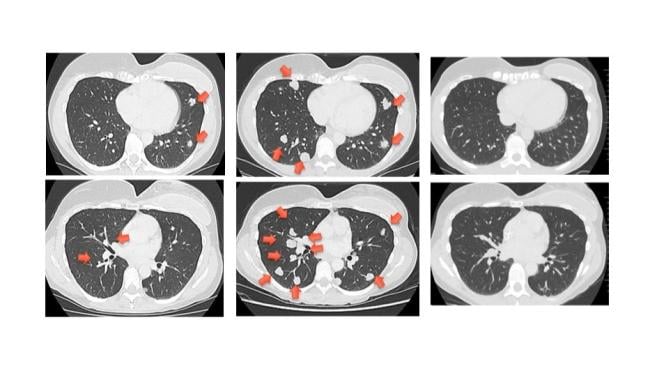
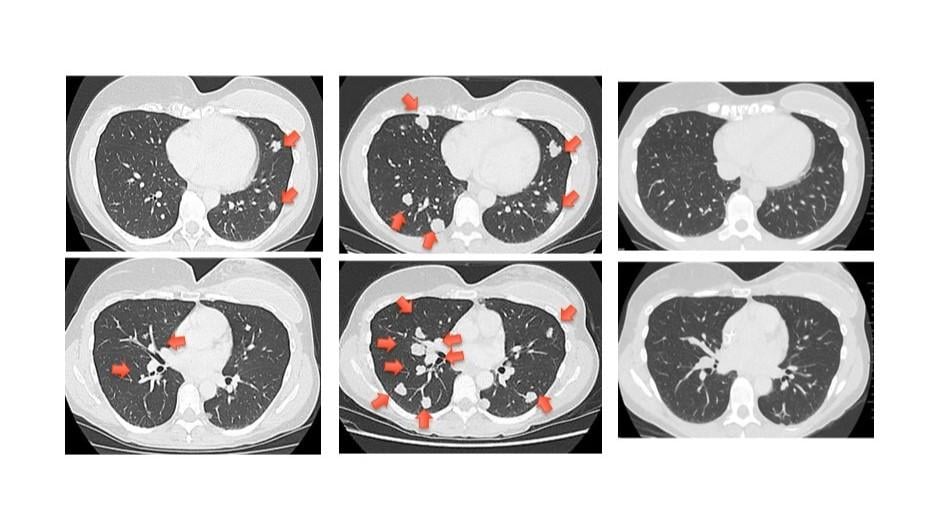
Four (14.8%) participants experienced greater than 30% decreases in the size of targeted tumors, two of whom had metastatic colorectal cancer with tumors of a notoriously treatment-resistant type and were receiving invika as their seventh-line therapy. Another responsive participant had stage 4 non-small cell lung cancer, again with tumors that had repelled multiple therapies including ICB.
Patients interested in enrolling in this study may contact NCI’s toll-free number 1-800-4-Cancer (1-800-422-6237) (TTY: 1-800-332-8615) or email [email protected]. About the National Cancer Institute (NCI): NCI leads the National Cancer Program and NIH’s efforts to dramatically reduce the prevalence of cancer and improve the lives of cancer patients and their families, through research into prevention and cancer biology, the development of.
For more information about cancer, please visit the NCI website at www. cancer. gov or call NCI’s contact center, the Cancer Information Service, at 1-800-4-CANCER (1-800-422-6237).

Fonte original: NIH News Releases