The ESO is Deeply Concerned About Space Data Centers, and the Rest of Us Should Be Too
The European Southern Observatory has expressed its dismay at the approval of SpaceX's satellite AI system.
Pontos-chave
- Em foco: The European Southern Observatory has expressed its dismay at the approval of SpaceX's satellite AI system
- Detalhe: Cobertura jornalística: verificar documentação técnica primária
- Leitura editorial: reportagem científica; quando possível, confira a fonte primária citada.
The European Southern Observatory has expressed its dismay at the approval of SpaceX's satellite AI system. The system, called Starmind, calls for another 1 million satellites in Low Earth Orbit.
The FCC just approved SpaceX's application to launch a staggering one million new satellites in Low-Earth Orbit (LEO). The system is designed to avoid using energy and resources here on Earth.
In a new statement, the ESO condemns the Starmind project as a serious detriment to astronomical observations. Their technical analysis is peer-reviewed and was published in Astronomy and Astrophysics in March 2026.
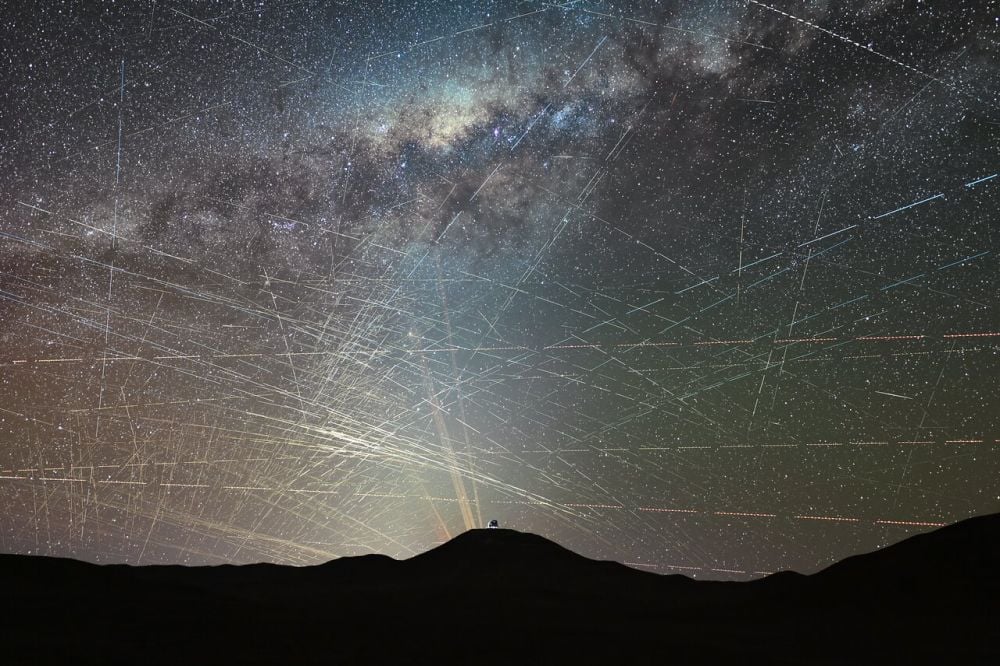
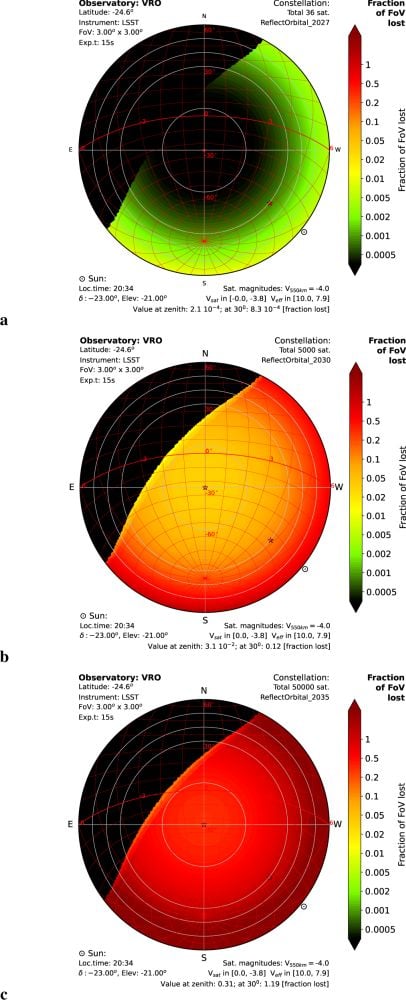
This study evaluates the effect of proposed constellations, ranging from current deployments to mega-constellations and very bright reflector concepts, on direct trail losses, diffuse background, and scattered sky brightness. Conversely, mega-constellations with 10 6 satellites render trails pervasive, thereby affecting the majority of long exposures," they write.
Extremely bright satellites pose a far more severe threat: a 5000-satellite Reflect Orbital -like constellation could elevate the scattered sky background by 20, 30%, and a population of 50 000 could increase it by 200, 300%," the ESO paper states.
The ESO's analysis says dryly that they "would substantially degrade astronomical observations. " "Maintaining satellite brightness below V 550km = 7 is important for all instruments but critical for safeguarding saturating instruments, such as the Rubin LSST camera, and for.
Fonte original: Universe Today