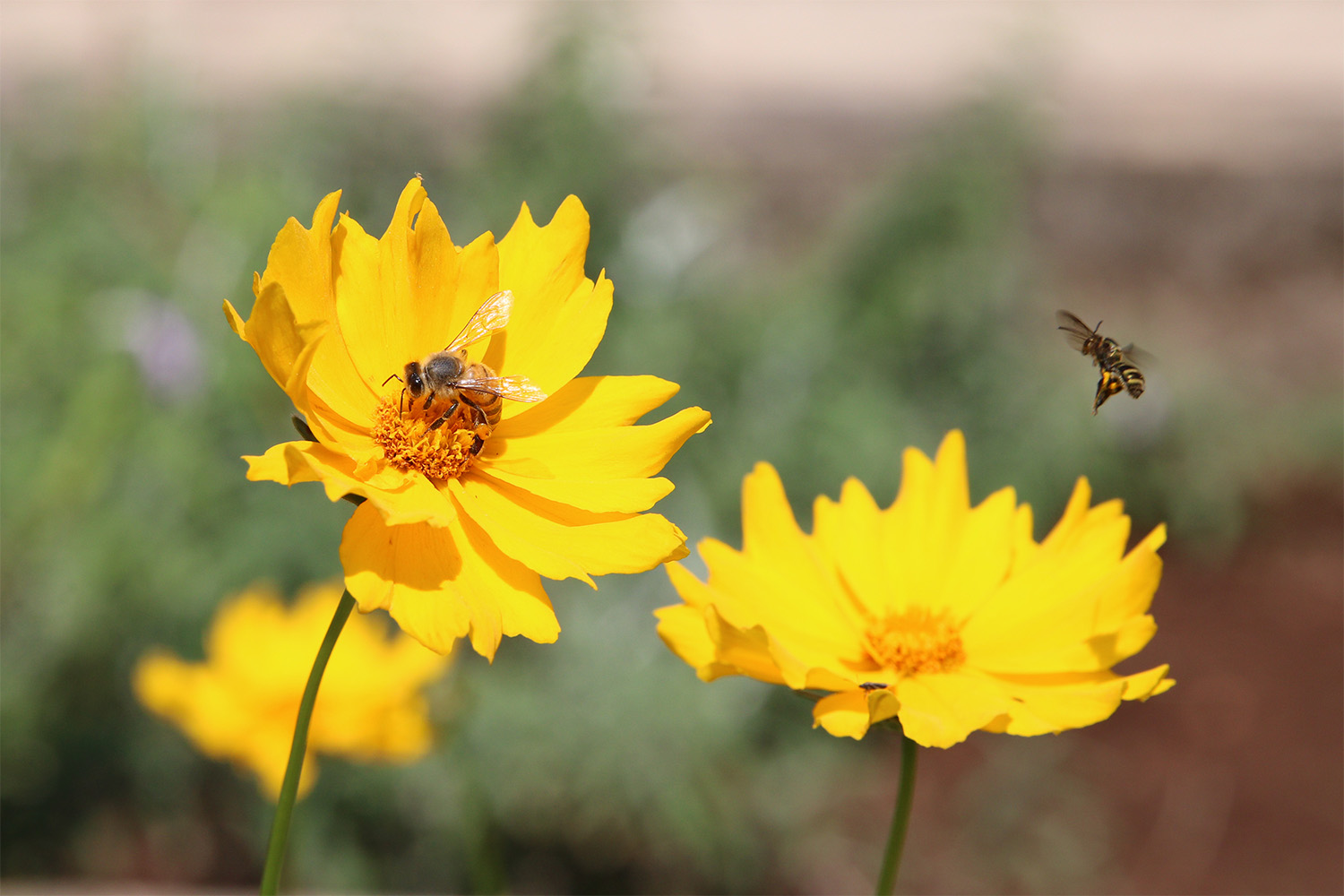
Nova lei que simplifica o licenciamento ambiental ameaça benefícios oferecidos pela natureza, como a polinização
Em artigo na revista Perspectives in Ecology and Conservation, pesquisadores apontam que norma contradiz acordos internacionais e pode prejudicar setores como o agronegócio
Key points
- Focus: Em artigo na revista Perspectives in Ecology and Conservation, pesquisadores apontam que norma contradiz acordos internacionais e pode prejudicar
- Detail: Science reporting: verify primary technical documentation
- Editorial reading: science reporting; whenever possible, verify the cited primary source.
Em artigo na revista Perspectives in Ecology and Conservation, pesquisadores apontam que norma contradiz acordos internacionais e pode prejudicar setores como o agronegócio. The science-journalism coverage adds useful context, while the strongest evidential footing still comes from the underlying data, papers or institutional documentation.
It is relevant because biology becomes more informative when an observed effect begins to look like a mechanism rather than an isolated pattern. The gap between identifying a correlation in biological data and understanding the causal chain that produces it is routinely underestimated, and the history of biomedical research is populated with associations that collapsed when the mechanism was sought and not found. A result that comes with a proposed mechanism, even a partial one, is more useful than a purely descriptive finding because it generates testable predictions that can narrow the hypothesis space. O Brasil avançou a ponto de ter uma Política Nacional de Pagamento por Serviços Ambientais e agora estes mesmos serviços não são levados em conta na nova lei do licenciamento”. De modo geral, os serviços ambientais ou ecossistêmicos podem ser divididos em três grupos: os de regulação, como purificação da água, controle de erosão, de pragas e doenças.
Hoje, em cidades como Joanópolis (SP), produtores rurais já podem ser remunerados por ajudar a manter esses serviços funcionando (leia mais em: agencia. fapesp. Todos os 17 autores do trabalho integram o Instituto Nacional de Ciência e Tecnologia Polinização, Conhecimentos, Conservação e Uso Sustentável de Polinizadores (INPol), sediado.
Aprovada em tempo recorde pelo Senado, a nova Lei Geral do Licenciamento Ambiental (15.190/2025) passou a valer em fevereiro de 2026. Embora a Presidência da República tenha feito 63 vetos ao texto, 52 deles foram derrubados pelo Congresso.
13 atividades, como agricultura, pecuária, obras de infraestrutura já existentes e estações de tratamento de água e esgoto, ganham dispensa automática de licenciamento. Regulamentada em separado, ela entrou em vigor antes mesmo da nova lei por meio de uma medida provisória (MP), transformada na Lei 15.300/2025 em dezembro daquele ano.
The broader interest lies in whether the reported effect points toward a real mechanism and not merely a reproducible but unexplained association. Biology has learned from decades of biomarker failures that correlation, even robust correlation, is not a substitute for mechanistic understanding. A pathway that can be traced from molecular interaction to cellular response to organismal phenotype provides a far stronger foundation for intervention than a statistical association discovered in a large dataset, however well the statistics are done.
O mecanismo acelera obras consideradas “estratégicas” pelo governo, como a exploração de petróleo na foz do Amazonas –, fixando o prazo máximo de 12 meses para análise e conclusão. Em Minas Gerais, após os rompimentos das barragens de Mariana e Brumadinho, tragédias que mataram quase 300 pessoas e devastaram ecossistemas inteiros –, órgãos ambientais.
Because this item comes through Agência FAPESP as science journalism, it should be treated as contextual reporting rather than primary evidence. Good science reporting can identify why a result matters, connect it to the wider literature and make technical work readable, but the decisive evidence remains in the original paper, dataset, mission release or technical record. That distinction is especially important when a story is later repeated by aggregators, because repetition increases visibility, not evidential strength.
The next step is to test whether the effect repeats across different methods, cell types, model organisms and experimental conditions. Reproducibility is the first test, but mechanistic dissection is the second, and a result that passes both has a substantially better chance of translating into something clinically or biotechnologically useful. The path from a laboratory finding to an applied outcome typically takes a decade or more, and most findings do not complete it; the current result sits at the beginning of that process.
Original source: Agência FAPESP