NASA’s Webb Shows How Supernova Dust Chronicles Star Evolution
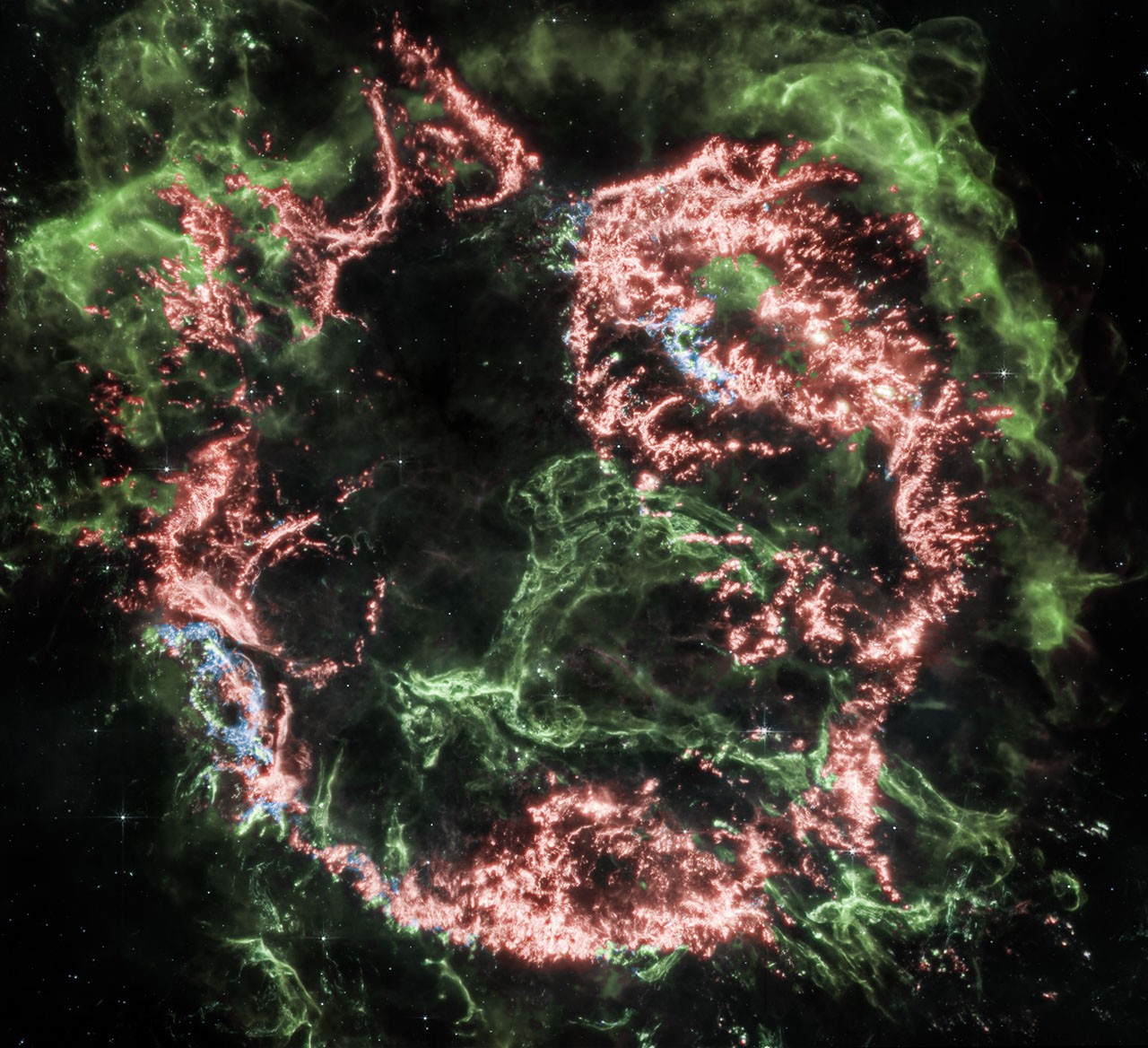
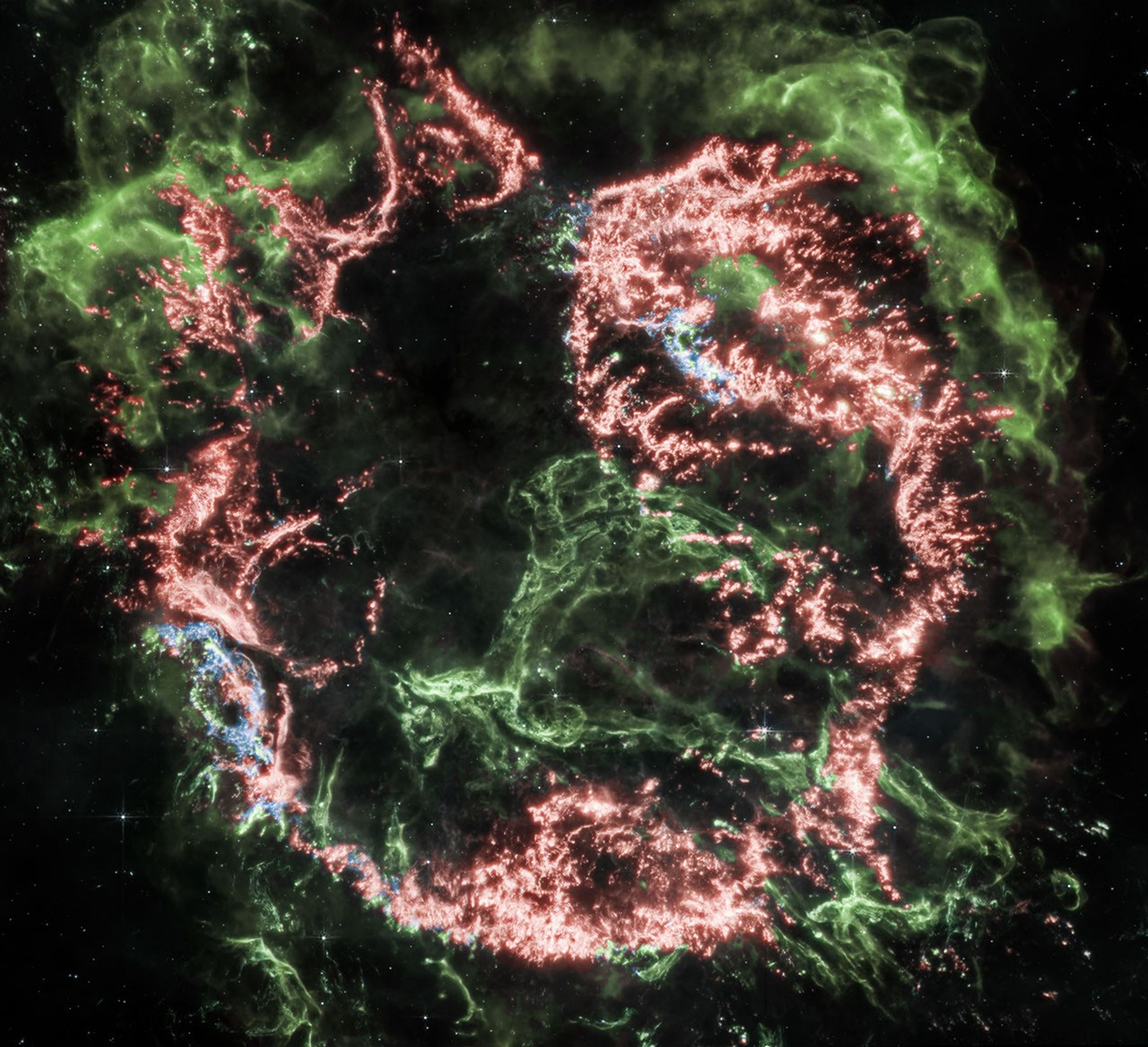
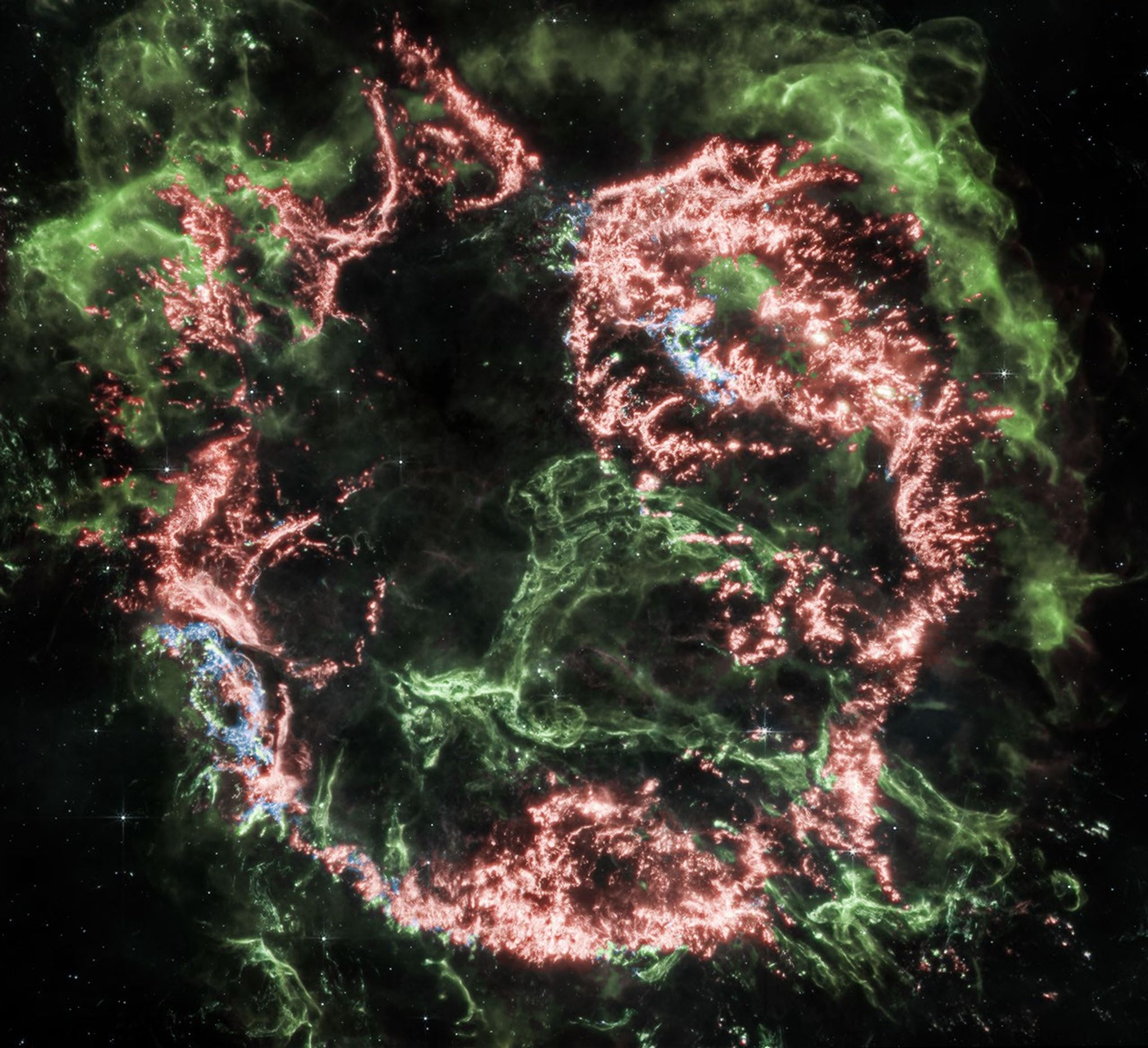
NASA’s James Webb Space Telescope has painted a vibrant tapestry of the legendary supernova remnant Cassiopeia A.
Key points
- Focus: NASA’s James Webb Space Telescope has painted a vibrant tapestry of the legendary supernova remnant Cassiopeia A
- Detail: Institutional origin: separate announcement from evidence
- Editorial reading: institutional release, useful as a primary source but not independent validation.
NASA’s James Webb Space Telescope has painted a vibrant tapestry of the legendary supernova remnant Cassiopeia A. Remnants like these are the clouds of gas and dust that remain following the explosion of a massive star and will eventually. The institutional report frames the development in practical terms and ties it to the broader mission or observing effort.
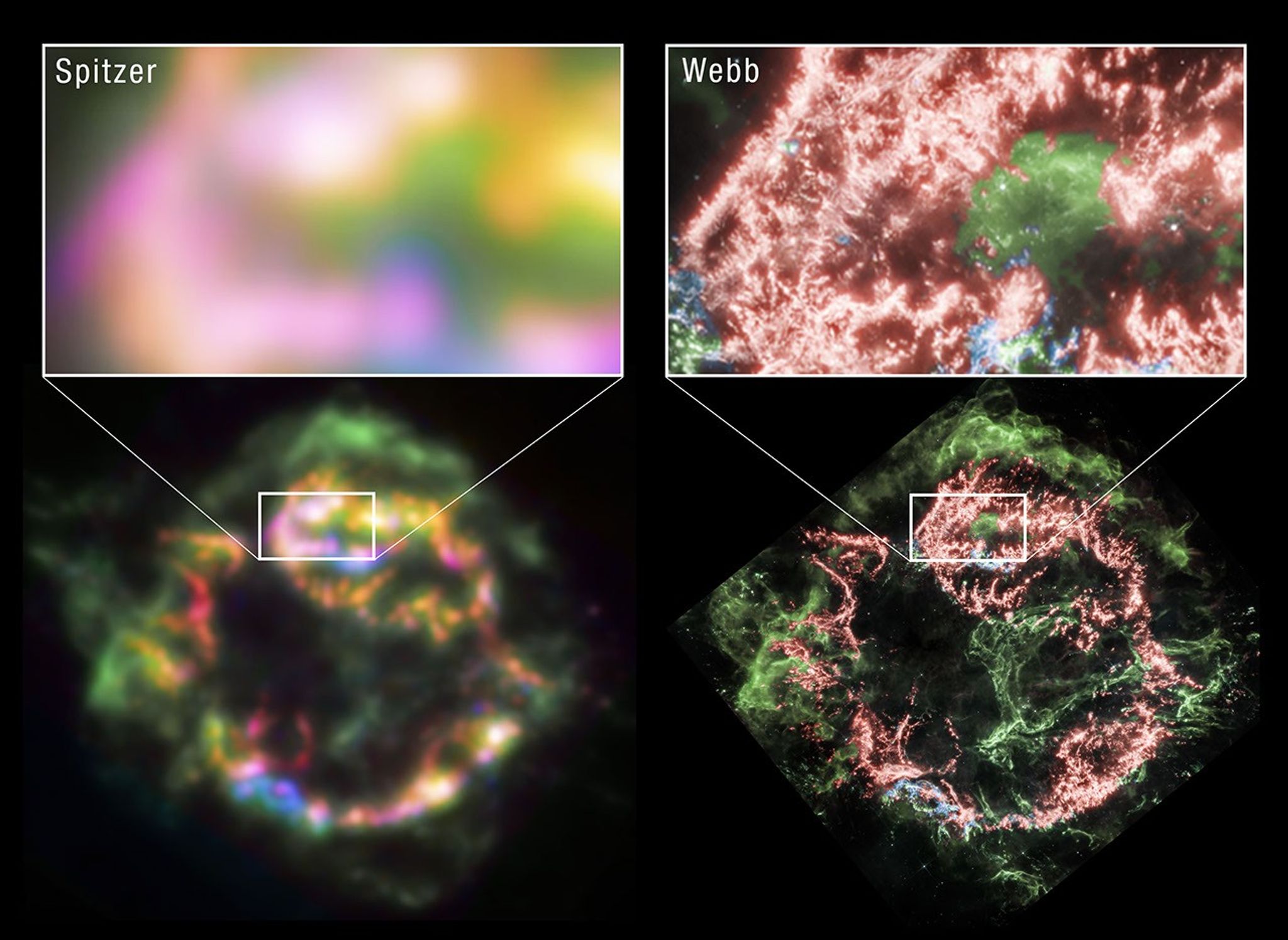
That matters because astrophysics becomes persuasive only when an observed signal can be tied to a physically defensible explanation. Compact objects such as neutron stars and black holes are natural laboratories for extreme physics, but the distance and complexity of these systems make interpretation difficult without multi-wavelength coverage and careful modeling. A detection without a mechanism is only half a result. the other half comes from showing that the signal fits quantitatively inside a coherent physical picture rather than merely being consistent with a broad family of models. Joseph DePasquale (STScI) NASA’s James Webb Space Telescope has painted a vibrant tapestry of the legendary supernova remnant Cassiopeia A (Cas A). This high-resolution, mid-infrared observation from Webb reveals new details that are helping astronomers chronicle the structure and evolution of Cas A’s original star.
Joseph DePasquale (STScI) For the researchers to know where to look with Webb, they also leveraged data from NASA’s retired Spitzer Space Telescope. Remnants like these are the clouds This high-resolution, mid-infrared observation from Webb reveals new details that are helping astronomers chronicle the structure and evolution.
Material within these shells churns and circulates, which can cause the shells to merge shortly before the supernova explosion,” said Tea Temim, lead author of the study and. Understanding this process is essential to explaining which elements the supernova explosion will release into the galaxy and how those elements enrich future generations of stars.
These efforts provide a new method for other astronomers who want to infer characteristics about an originating star’s structure by using the dust of a supernova remnant. Webb is an international program led by NASA with its partners, ESA (European Space Agency) and CSA (Canadian Space Agency).
The broader interest lies in turning an observational clue into something that can be weighed against competing models of the underlying physics. Astrophysics does not have the luxury of controlled experiments; everything is inferred from radiation that traveled across cosmic distances under conditions that cannot be reproduced in a terrestrial laboratory. This makes the interpretation chain longer and more uncertain than in bench science, but it also means that a well-constrained measurement of an extreme object carries theoretical information that no earthbound experiment can provide.
Dust in Cassiopeia A (Spitzer and Webb) NASA’s retired Spitzer Space Telescope observed the supernova remnant Cassiopeia A, helping to identify key regions that NASA’s James Webb. 2026 Location NASA Goddard Space Flight Center Contact Media Laura Betz NASA’s Goddard Space Flight Center Greenbelt.
Because the account originates with NASA News Releases, it functions best as a primary institutional report that is close to the data and operations, not as independent scientific validation. Institutional communications are produced by organizations with legitimate interests in presenting their work in a favorable light, which does not make them unreliable but does make them partial. Details that complicate the narrative, including instrument limitations, unexpected failures and results below projections, tend to be minimized relative to progress messages. Technical documentation and peer-reviewed publications, where they exist, provide the complementary layer that institutional releases cannot substitute.
The next step is to see whether independent datasets and physical modeling converge on the same interpretation. Multi-wavelength follow-up, combining X-ray, radio and optical data where possible, is typically what separates a compelling detection from a robust physical characterization. In high-energy astrophysics, results that initially looked definitive have been revised when data from a second messenger arrived; the current result should be read with that history in mind.
Original source: NASA News Releases