Teams Lock in Mission Architecture for NASA’s SR-1 Freedom
NASA completed a major review for Space Reactor-1 Freedom and locked in key elements of the spacecraft, which is targeted to launch in 2028 and demonstrate nuclear electric.
Pontos-chave
- Em foco: NASA completed a major review for Space Reactor-1 Freedom and locked in key elements of the spacecraft, which is targeted to launch in 2028 and
- Detalhe: Origem institucional: distinguir anúncio de evidência
- Leitura editorial: release institucional, útil como fonte primária, mas não como validação independente.
NASA completed a major review for Space Reactor-1 Freedom and locked in key elements of the spacecraft, which is targeted to launch in 2028 and demonstrate nuclear electric propulsion in deep space for the first time. NASA completed a major review for Space Reactor-1 (SR-1) Freedom and locked in key elements of the spacecraft, which is targeted to launch in 2028 and demonstrate nuclear electric propulsion in deep space for the first time.
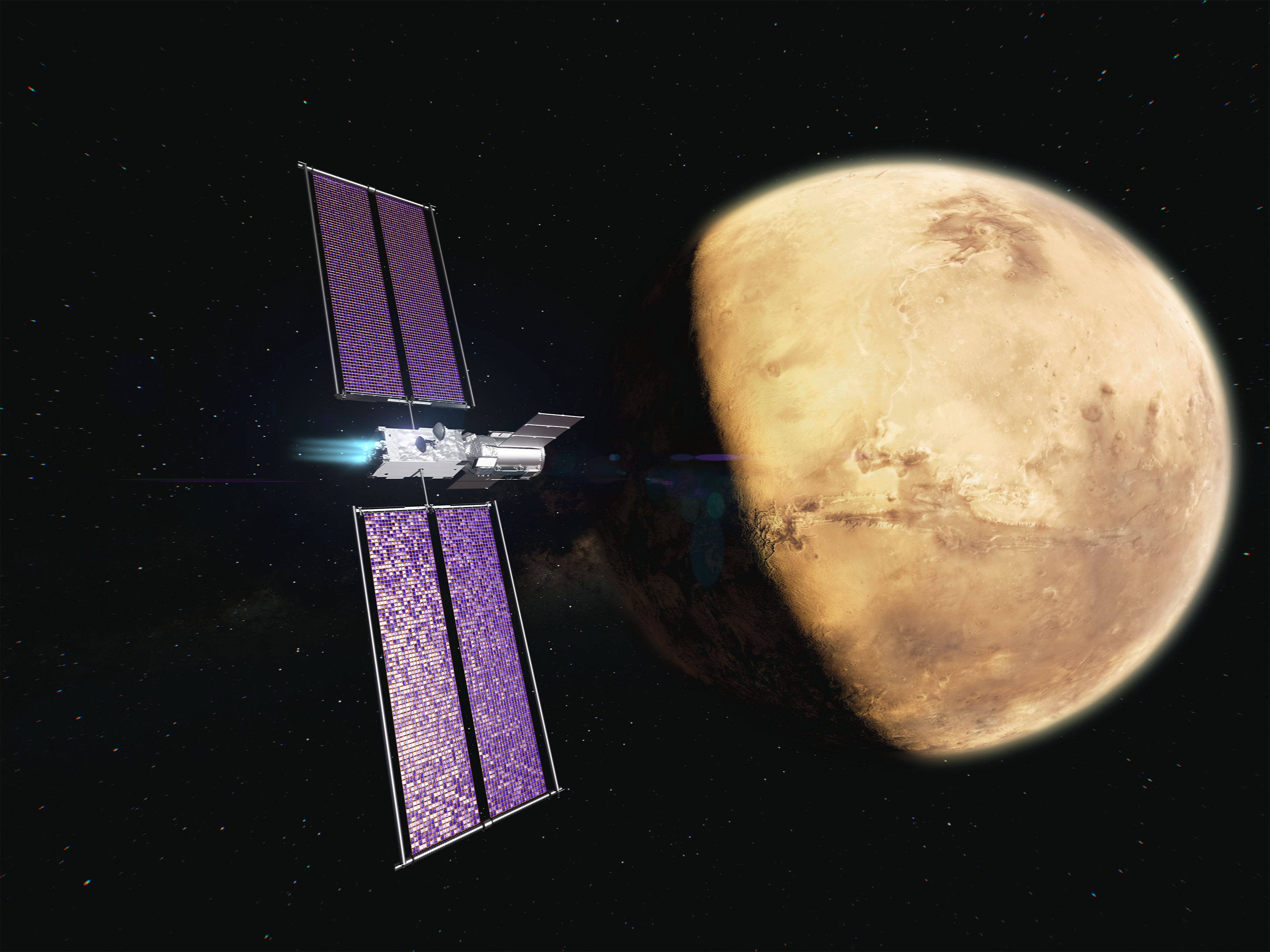
5 min read Preparations for Next Moonwalk Simulations Underway (and Underwater) NASA’s Space Reactor-1 (SR-1) Freedom, the first fission-powered spacecraft to travel beyond Earth orbit, cruises past Mars in this artist’s concept, demonstrating nuclear electric propulsion in deep.
Key design decisions The SR-1 Freedom spacecraft design has evolved since NASA Administrator Jared Isaacman first introduced the concept in March at the agency’s Ignition event, where leadership shared plans to develop a fission-powered spacecraft in time for the next Mars. Planned for launch in late 2028, Space Reactor-1 (SR-1) Freedom will use both nuclear and solar power to deliver SkyFall to Mars.
NASA’s Space Reactor-1 (SR-1) Freedom, the first fission-powered spacecraft to travel beyond Earth orbit, cruises past Mars in this artist’s concept, demonstrating nuclear electric propulsion in deep space. Credit: NASA After delivering SkyFall to Martian orbit, SR-1 Freedom will restart its fission reactor, collecting additional data on the spacecraft’s performance in deep space.
Article NASA’s Space Reactor-1 (SR-1) Freedom, the first fission-powered spacecraft to travel beyond Earth orbit, cruises past Mars in this artist’s concept, demonstrating nuclear electric propulsion in deep space. Credit: NASA/Jonathan North NASA completed a major review for Space Reactor-1 (SR-1) Freedom and locked in key elements of the spacecraft, which is targeted to launch in 2028 and demonstrate nuclear electric propulsion in deep space for the first time.
Department of Energy (DOE), and industry met at NASA’s Glenn Research Center in Cleveland for a major SR-1 mission design review in October.
Fonte original: NASA News Releases