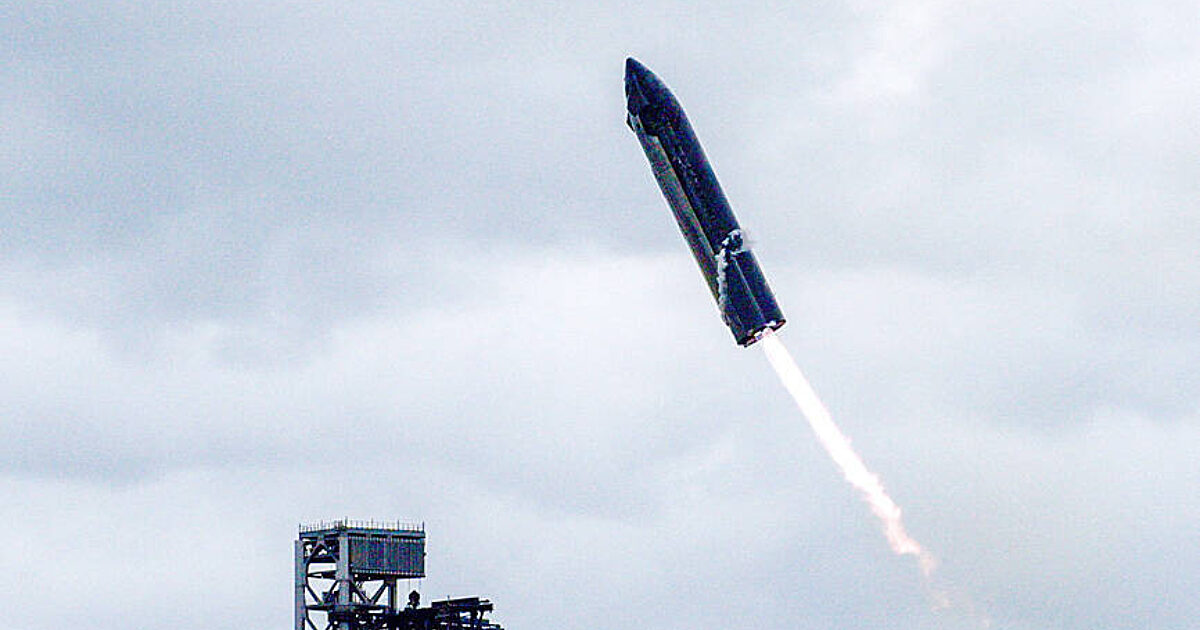
Starship’s triumph and Vulcan’s failure
What Starship's success and Vulcan's failure say about the health of the commercial launch market and the future of NASA's access to space.
Pontos-chave
- Em foco: What Starship's success and Vulcan's failure say about the health of the commercial launch market and the future of NASA's access to space
- Detalhe: Cobertura jornalística: verificar documentação técnica primária
- Leitura editorial: reportagem científica; quando possível, confira a fonte primária citada.
What Starship's success and Vulcan's failure say about the health of the commercial launch market and the future of NASA's access to space. Written by Casey Dreier Chief of Space Policy, The Planetary Society November 19, 2026 On Nov.
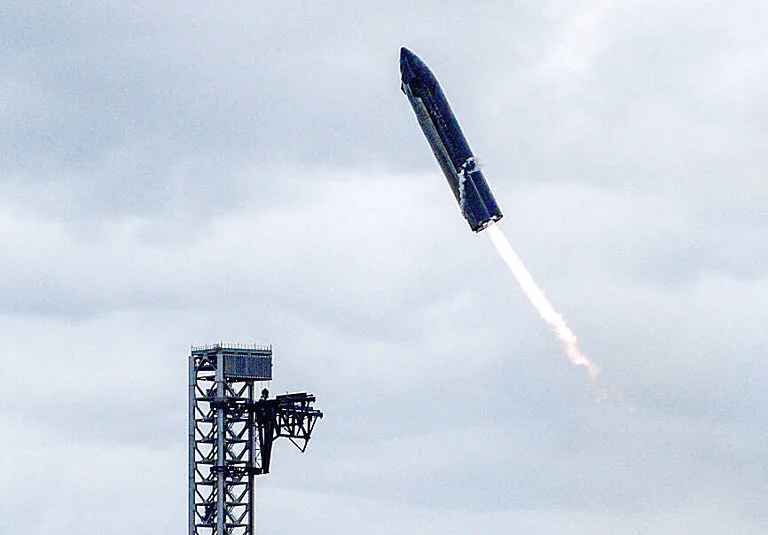
14, after reaching orbit and deploying a batch of Starlink satellites, SpaceX’s Starship did something no fully reusable second stage had done before: It came home. The lucre of space-based AI data centers and the company’s Starlink satellite business are so great that the CEO, Elon Musk, has stated the company will be winding down its Falcon 9 and Falcon Heavy rockets once Starship is flying reliably.
As a consequence, many in the space industry and in federal agencies with space-based assets are growing ever more anxious about the availability of launch vehicles in the coming years. In addition to Vulcan’s failed flight, New Glenn suffered a pad explosion that temporarily derailed its launch capacity, Neutron has been delayed to 2027, and Terran R has shared no public timeframe for first launch.
Since 2020, seven out of every 10 NASA launches have been on SpaceX rockets. And eight upcoming science missions, including Dragonfly, NEO Surveyor, and the Rosalind Franklin Rover, will launch on SpaceX rockets.
It will be winding down the Dragon crew capsule, forcing NASA to rely on Boeing’s troubled Starliner for rides to low Earth orbit after 2030. The Space Launch System and Orion, once considered to be facing an inevitable cancellation in the wake of Starship, are now being put forward by the NASA Administrator as the agency’s primary long-term access to the Moon.
SpaceX’s self-interested financial decision highlights the novel risks NASA and the nation have accepted with their move toward commercial-led launch: A private company does not have to provide launch services to outside customers, or even to the government.

Fonte original: The Planetary Society