Solving the Space Junk Crisis Isn't Just About Counting Trash—It’s About Control and Economics
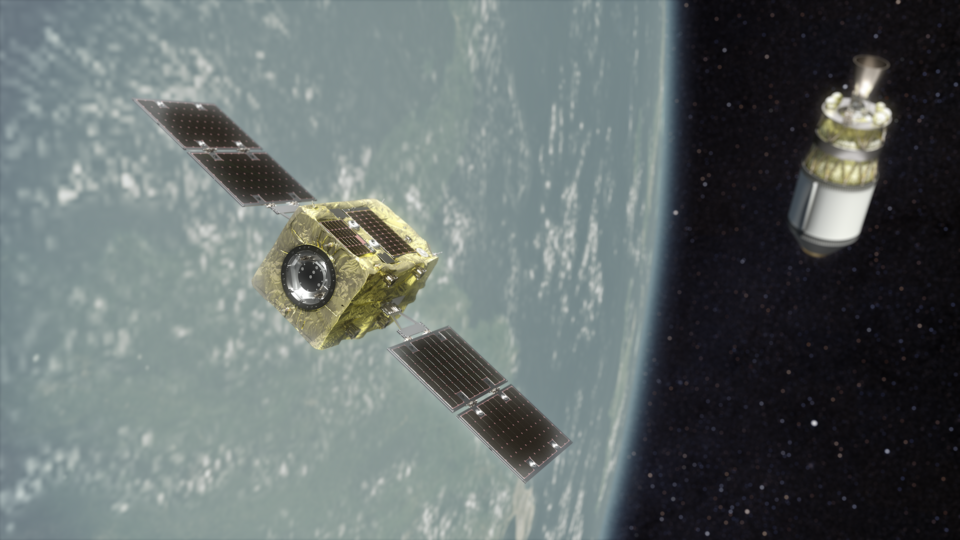
If people ever think about cleaning up space debris, they typically think of something equivalent to a giant garbage truck in the sky, collecting lost astronaut tools and dead.
Pontos-chave
- Em foco: If people ever think about cleaning up space debris, they typically think of something equivalent to a giant garbage truck in the sky, collecting
- Detalhe: Cobertura jornalística: verificar documentação técnica primária
- Leitura editorial: reportagem científica; quando possível, confira a fonte primária citada.
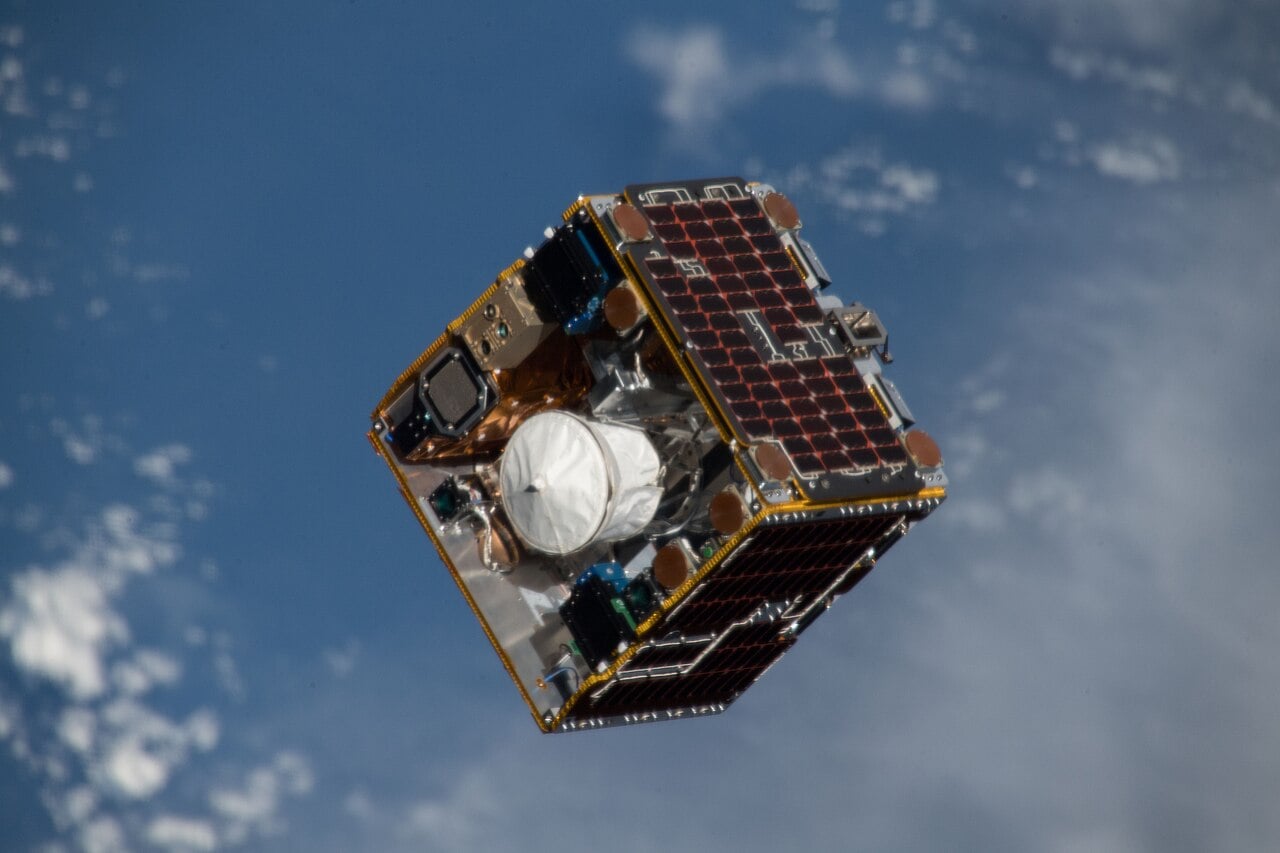
If people ever think about cleaning up space debris, they typically think of something equivalent to a giant garbage truck in the sky, collecting lost astronaut tools and dead satellites then hauling them back down to Earth to be deposited. But dealing with space debris doesn’t work that way, and a new paper, available in pre-print on arXiv from Dr.
Slava Turyshev of NASA’s Jet Propulsion Laboratory, who we typically cover for his work on the Solar Gravitational Lens idea, makes a good argument as to why. According to the filings made to the FCC, SpaceX, the company that runs the largest satellite megaconstellation, had their Starlink satellites perform 144, 404 collision avoidance maneuvers in the six months from December 2024 through May 2025.
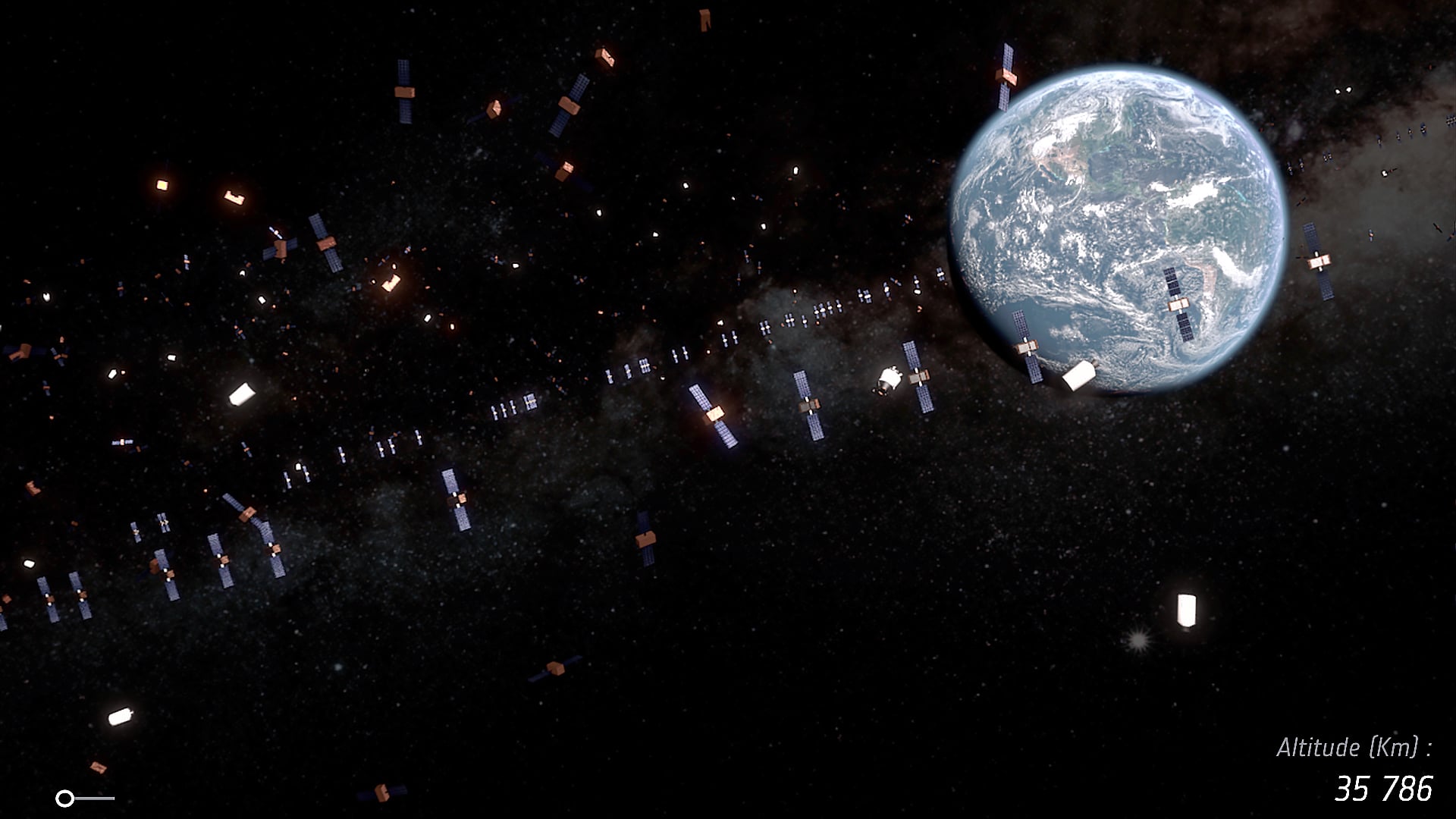
They typically orbit around 500-600 kilometers, along with other megaconstellations such as Amazon’s Kuiper and China’s Qianfan. At 500-600, there is enough atmosphere left that the area is semi self-cleaning - dead satellites and debris in these orbits will burn up in a few years.
At around 850 kilometers, giant rocket stages from launches past lurk with no control, and little to no atmosphere to drag them down in a reasonable time frame. According to European Space Agency Data cited in the paper, about 96 percent of the long-term collision risk comes from these dead objects.
Turyshev further proves that, even if we stop launching rockets tomorrow, the amount of debris already up there would collide and shatter faster than nature can clear it. According to the paper, if the reliability of disposal rises from 90 to 99 percent and a satellite’s allowable afterlife is cut to five years, it decreases the environmental hazard by a factor of 50.
That idea aligns directly with the real-world infrastructure upgrades that are happening through NOAA’s Traffic Coordination System for Space (TraCSS), which is expanding its pilot program to reach more commercial operators this year.
Fonte original: Universe Today