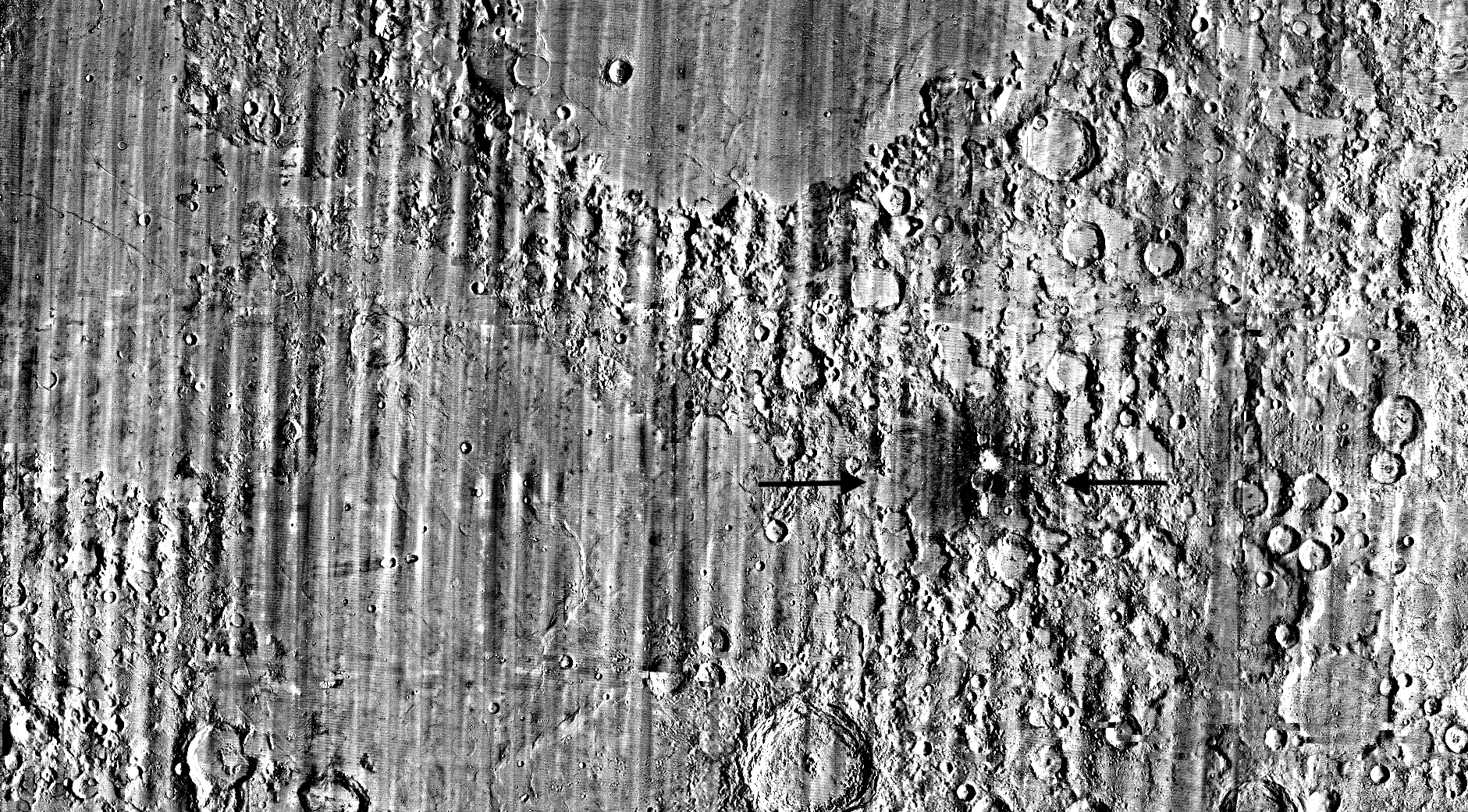
Scientists Release Details About Moon's New Massive Crater
It's easy to think of the Moon as the static constant companion in the night sky. Its face hasn’t visibly changed in millennia, and always faces us with the same side.
Pontos-chave
- Em foco: It's easy to think of the Moon as the static constant companion in the night sky
- Detalhe: Cobertura jornalística: verificar documentação técnica primária
- Leitura editorial: reportagem científica; quando possível, confira a fonte primária citada.
It's easy to think of the Moon as the static constant companion in the night sky. Its face hasn’t visibly changed in millennia, and always faces us with the same side.
While they might not be large enough for us to see with our naked eye, professional Moon watchers can pick up on them. And a recent paper published in Science Advances, describes the largest ever found in modern times.
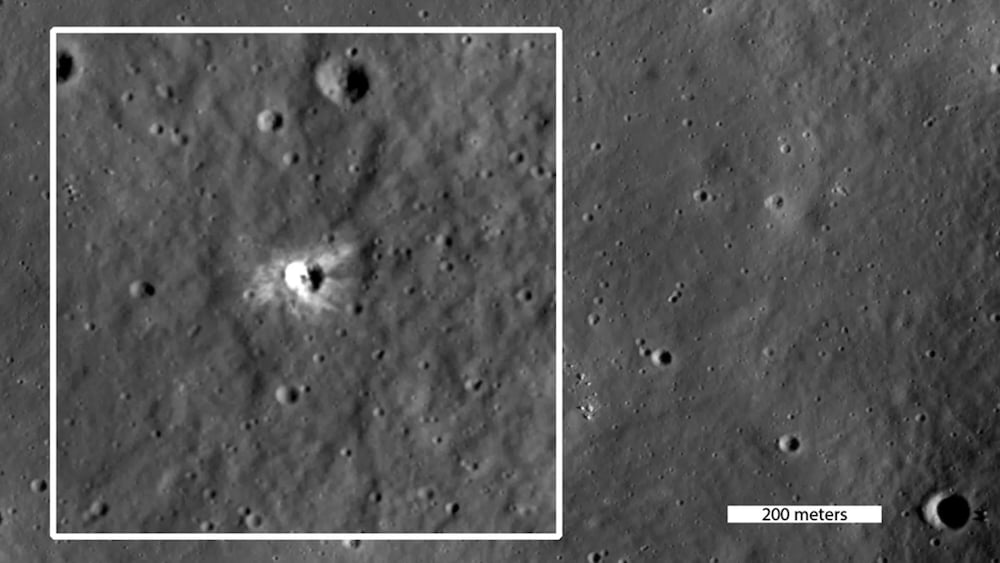
That crater, which is now named McGetchin, after Tom McGetchin, a celebrated lunar scientist, was formed somewhere between April 11th and May 22nd, 2024. But it wasn’t discovered until October of 2025, when Robert Wagner, an image-processing specialist with Intuitive Machines, happened to notice a dramatic change when stitching together a global difference map.
These are occasionally stitched together to generate the global difference maps, with anything that stayed the same displayed as a dull grey color, whereas changes can show up in either very light or very dark patches. After examining some close-ups taken of the impact site, they found the crater was 222m across and around 43m deep.
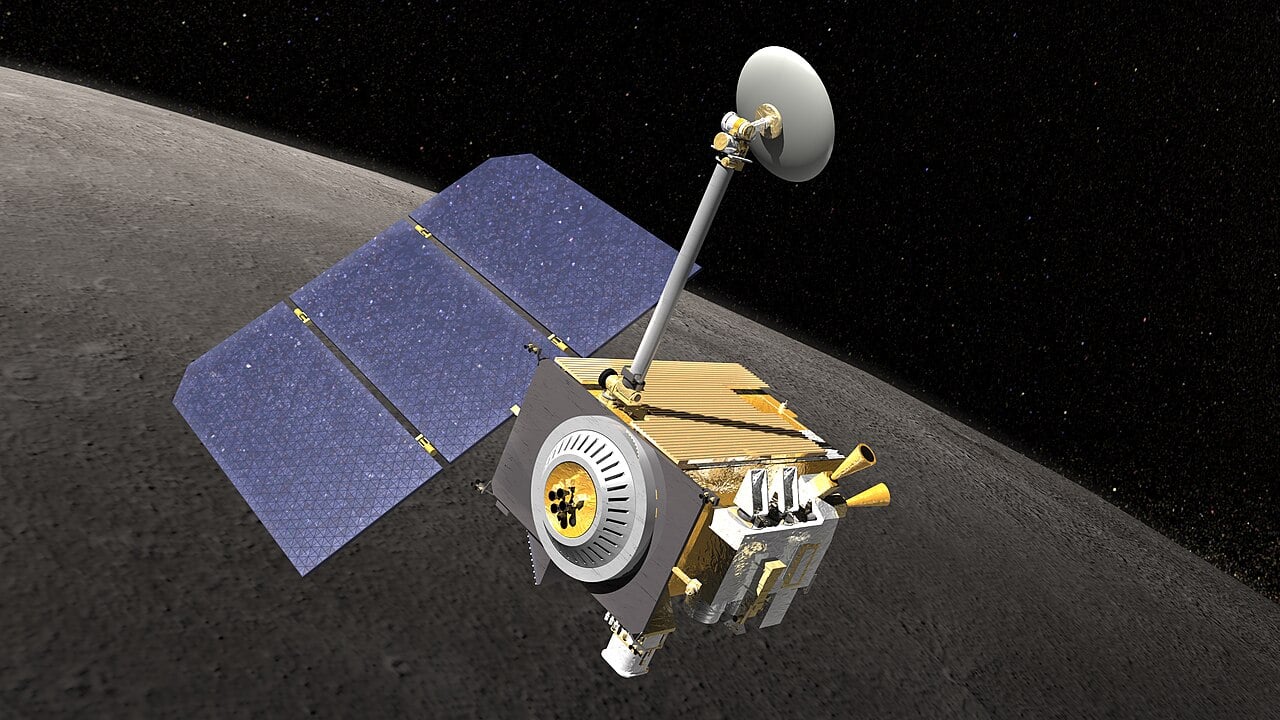
And, crucially, they estimated that this size of an impact only happens about once every 132 years. The researchers turned LRO’s thermal imaging system, known as Diviner, towards the crater and discovered a 6.4 km thermal anomaly surrounding the site.
During the lunar night, a broad halo around the newly formed crater stayed about 9℃ colder than the surrounding area.

Fonte original: Universe Today