NASA’s Voyager 1 Makes History Reaching One Light-Day From Earth
NASA’s Voyager 1 probe, humanity’s farthest-flying spacecraft, has reached one light-day from Earth, after more than 49 years of constant travel.
Pontos-chave
- Em foco: NASA’s Voyager 1 probe, humanity’s farthest-flying spacecraft, has reached one light-day from Earth, after more than 49 years of constant travel
- Detalhe: distinguir anúncio de evidência
- Leitura editorial: release institucional, útil como fonte primária, mas não como validação independente.
NASA’s Voyager 1 probe, humanity’s farthest-flying spacecraft, has reached one light-day from Earth, after more than 49 years of constant travel. A light-day is the distance light travels in 24 hours, equaling about 16.1 billion miles.
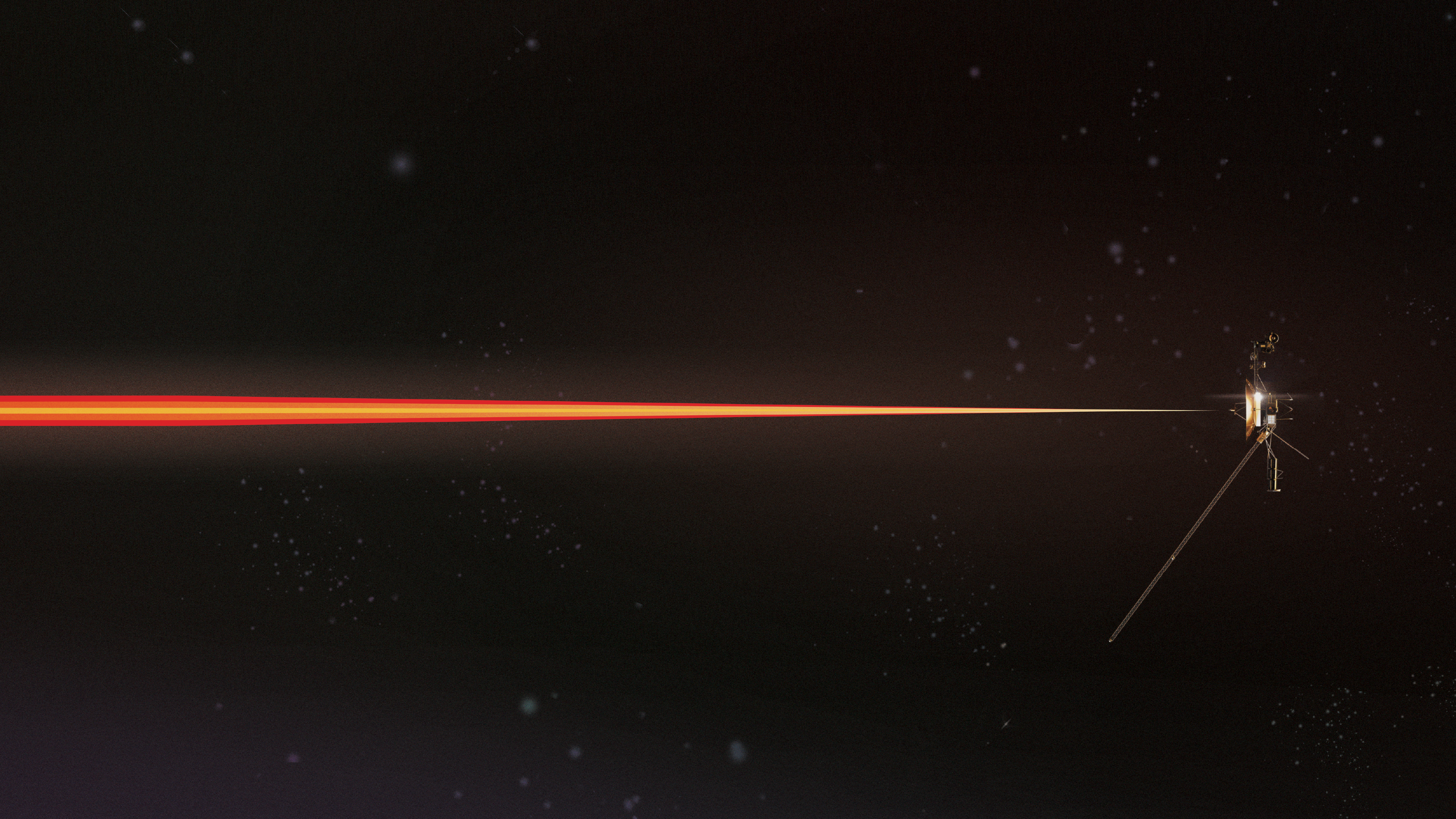
Voyager 1, depicted in this artist’s concept, reached one light-day from Earth on Nov. 18, 2026, Voyager 1 reached one light-day from Earth.
Voyager 1 will become humanity’s silent ambassador to the stars. ” For more information about NASA’s Voyager mission, visit: https: //science. nasa. gov/mission/voyager/ -end- Abbey Interrante / Karen Fox Headquarters. 626-808-2469 calla. e. cofield@jpl. nasa. gov Share Details Last Updated Nov 19, 2026 Editor Jessica Taveau Location NASA Headquarters Related Terms Voyager 1 Heliophysics Heliophysics Division Jet Propulsion Laboratory Science Mission Directorate The Solar System The Sun.
On November 18, 2026, the spacecraft will reach a distance of one light-day from Earth. RELEASE 26-098 NASA Headquarters Voyager 1, depicted in this artist’s concept, reached one light-day from Earth on Nov.
Credit: NASA/JPL-Caltech NASA’s Voyager 1 probe, humanity’s farthest-flying spacecraft, has reached one light-day from Earth, after more than 49 years of constant travel. Voyager team members at NASA’s Jet Propulsion Laboratory in Southern California, managed by Caltech, heard from the probe 24 hours later, the time it took for the spacecraft’s radio signal traveling at the speed of light to reach Earth, early Thursday.
The Voyager mission would be remarkable just for what it contributed to planetary science with the Grand Tour of the outer planets,” said Joe Westlake, director, Heliophysics Division at NASA Headquarters in Washington.
Fonte original: NASA News Releases